
Basalt Slabs in Architectural Decoration: Tables, Kitchen Countertops, and Stair Cladding
Basalt, a natural volcanic stone, is becoming an increasingly popular choice in architectural decoration due to its strength, durability, and aesthetic appeal. Whether used for tables, kitchen countertops, or stair cladding, basalt slabs offer a timeless, sophisticated look that elevates any design. Known for their rich dark tones and minimalistic yet elegant texture, basalt slabs are ideal for various architectural applications. In this article, we will explore the benefits and uses of basalt slabs in furniture and interior design, highlighting their versatility in creating stunning, functional spaces.
What Are Basalt Slabs?
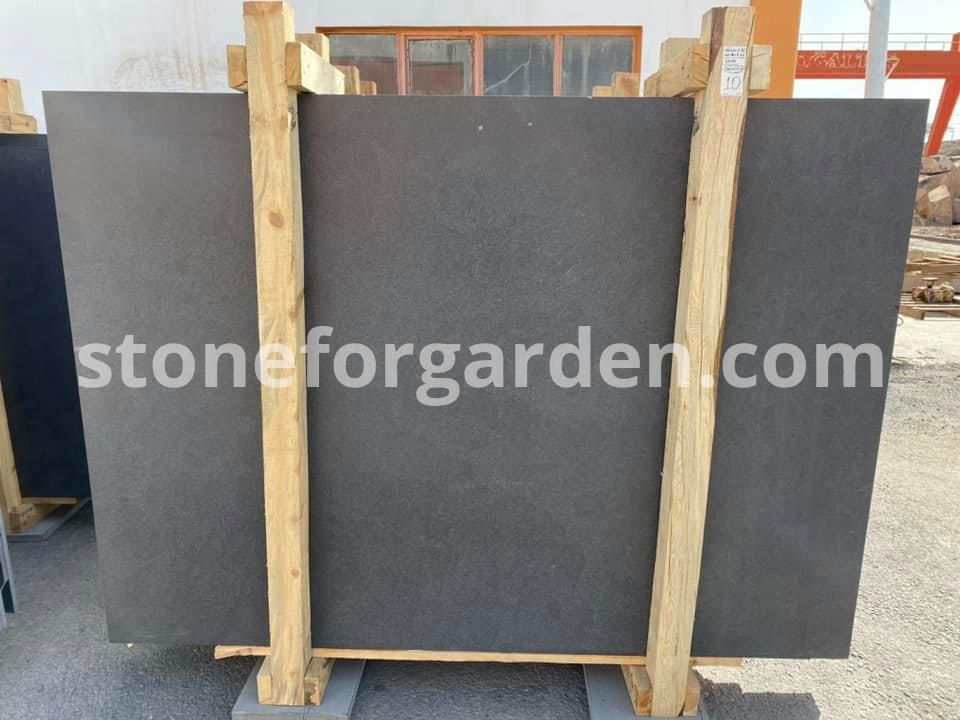
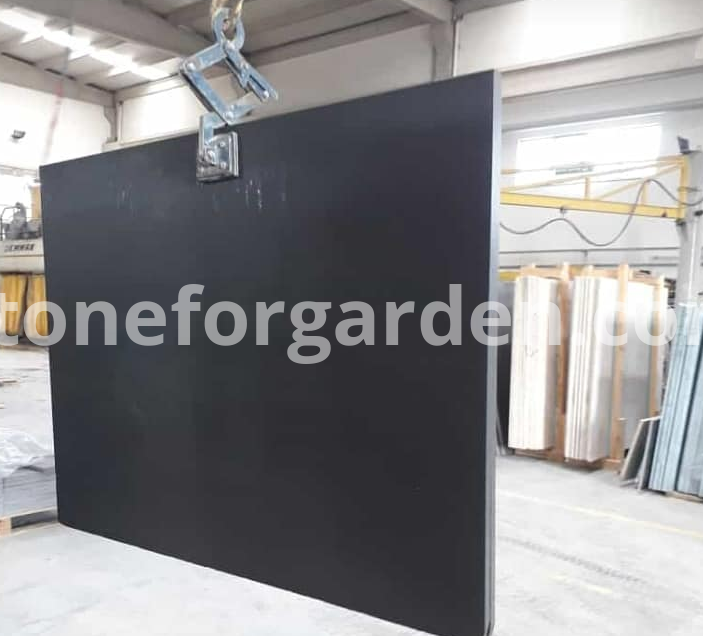
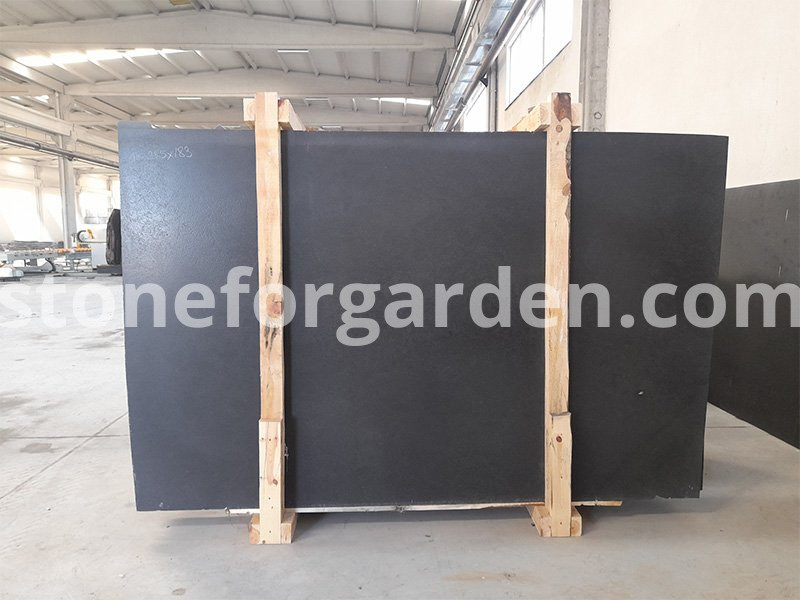
Basalt is an igneous rock formed from volcanic activity, characterized by its fine-grained texture and deep, dark color. When cut into slabs, basalt becomes a versatile material suitable for various architectural uses. Its natural properties—such as hardness, resistance to wear, and thermal stability—make it an excellent choice for demanding environments. From luxury interior décor to outdoor applications, basalt slabs provide a sophisticated yet functional solution for designers and homeowners alike.
Basalt Slabs for Tables: A Touch of Elegance and Durability
One of the most popular uses for basalt slabs in architectural design is in the creation of tables. Whether it’s a dining table, coffee table, or office desk, basalt offers an incredibly durable and stylish option for furniture pieces.
Aesthetic Appeal
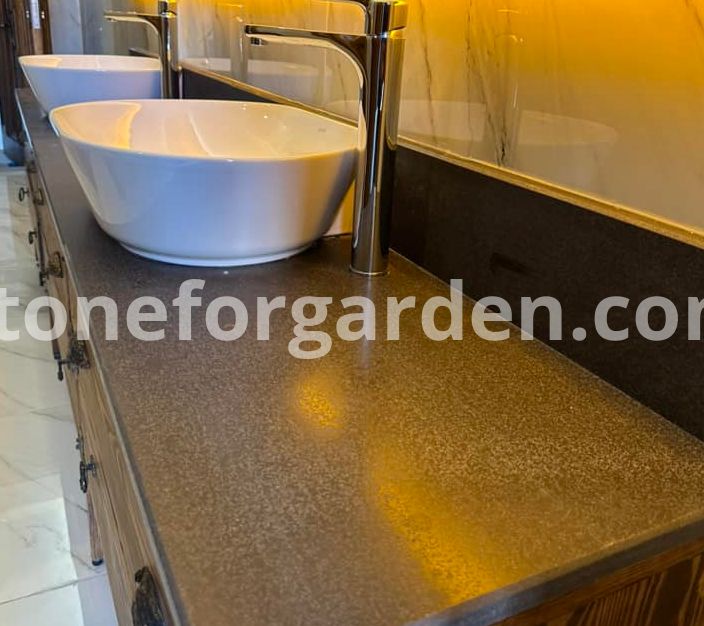
Basalt slabs come in shades of dark gray to black, giving them a sleek, modern appearance. The fine-grained texture of basalt creates a subtle yet attractive surface that adds depth and sophistication to any room. Whether in contemporary, industrial, or minimalist designs, basalt tables effortlessly blend into various interiors, making them highly versatile.
Durability
Basalt is renowned for its exceptional durability. It’s highly resistant to scratches, cracks, and stains, which makes it an ideal choice for high-traffic areas. For dining tables or coffee tables, basalt slabs offer longevity and resilience, ensuring that they continue to look pristine over time, even with daily use.
Low Maintenance
Unlike other materials like wood or marble, basalt is very easy to maintain. A simple wipe-down with a damp cloth is usually enough to keep it clean. This low-maintenance feature makes basalt tables ideal for both residential and commercial spaces.
Basalt Slabs for Kitchen Countertops: A Functional and Stylish Choice
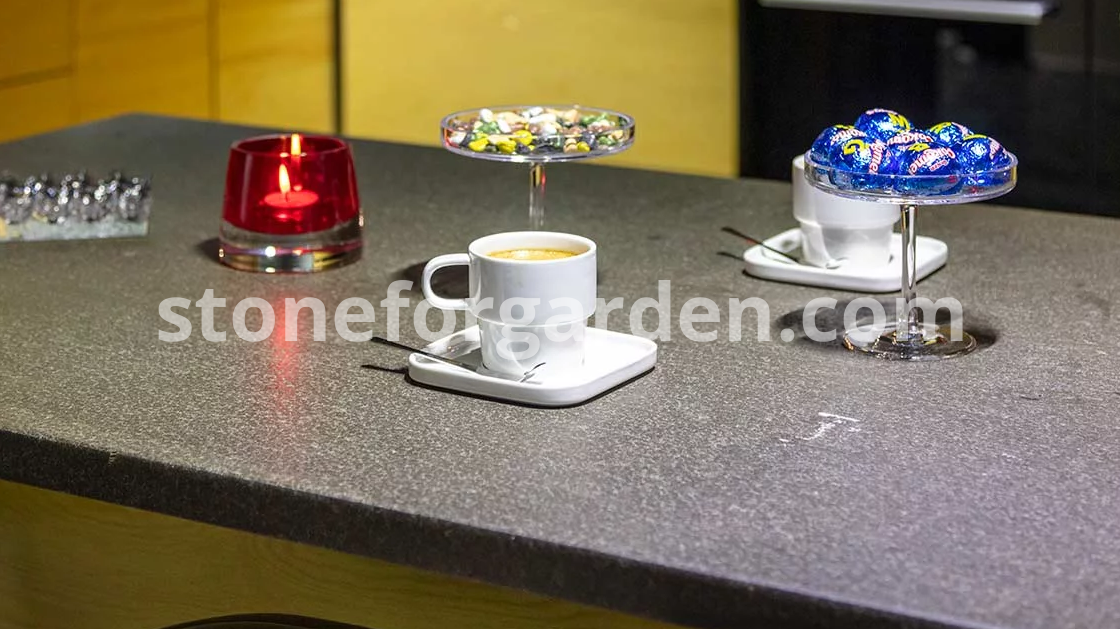
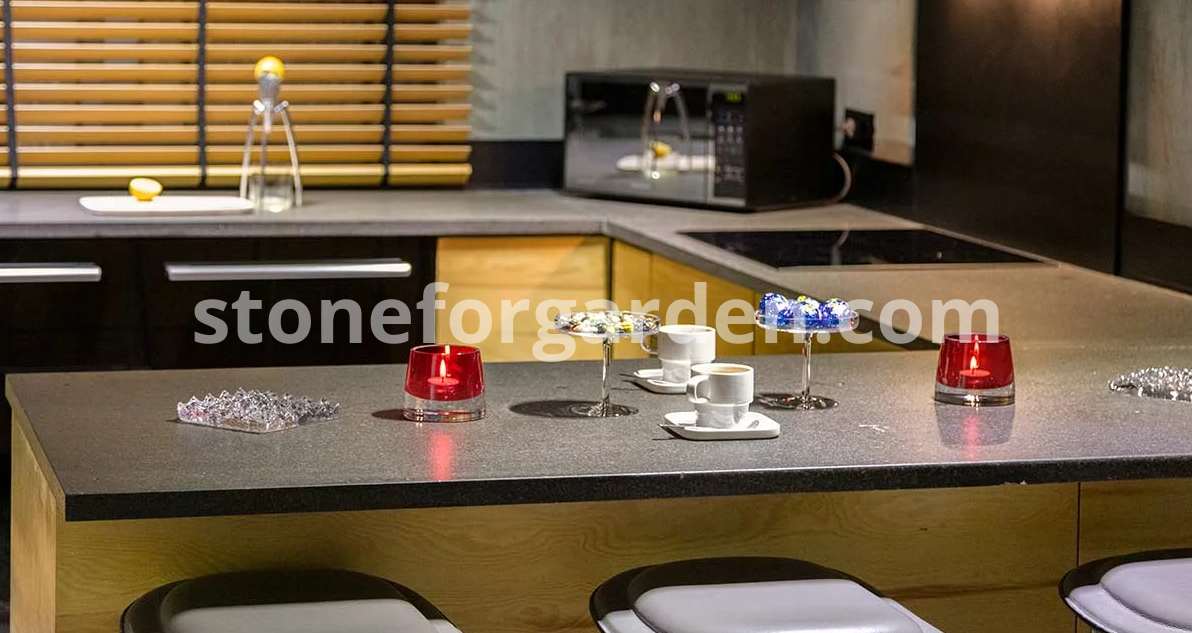
In addition to furniture, basalt slabs are increasingly being used for kitchen countertops. Their robust nature and sleek appearance make them a perfect material for one of the most important areas in a home.
Heat Resistance
One of the standout features of basalt slabs is their resistance to heat. Basalt countertops can withstand high temperatures, making them ideal for use in kitchens where hot pots and pans are frequently placed. This heat resistance ensures that the surface remains intact and visually appealing, even after exposure to heat.
Scratch and Stain Resistance
Basalt slabs are highly scratch-resistant, making them an excellent choice for a kitchen countertop. Unlike softer materials, basalt does not easily develop scratches from knives or other kitchen utensils. Additionally, basalt countertops are resistant to stains, meaning that spills from acidic substances like lemon juice or wine will not damage the surface.
Sophisticated Look
The deep, earthy tones of basalt provide a striking contrast to lighter kitchen elements like cabinetry or backsplash tiles. The minimalist design of basalt countertops adds a modern, elegant touch to any kitchen, whether in a contemporary or rustic setting.
Basalt Slabs for Stair Cladding: Modern and Durable
Basalt slabs are also an excellent choice for stair cladding, offering both functionality and style. The hard, non-slip surface of basalt makes it ideal for use on stairs, providing both safety and a sophisticated look.
Safety and Durability
Basalt is a naturally slip-resistant material, making it an excellent choice for stair surfaces. Whether used indoors or outdoors, basalt cladding ensures that stairs remain safe to walk on, even in wet conditions. Its high durability also means that it can withstand the constant foot traffic that stairs typically experience.
Aesthetic Appeal
Using basalt slabs for stair cladding enhances the overall look of a space, giving stairs a modern, luxurious appearance. The dark tones of basalt can complement various design schemes, from industrial lofts to contemporary homes, creating a cohesive and elegant aesthetic.
Weather Resistance
For outdoor staircases, basalt slabs are an ideal choice due to their resistance to weathering. They can endure harsh weather conditions, including rain, snow, and UV exposure, without losing their aesthetic appeal or structural integrity. This makes basalt a preferred option for outdoor stairs, whether leading to gardens, patios, or terraces.
Why Choose Basalt Slabs for Architectural Decoration?
Eco-Friendly
Basalt is a natural stone that is abundant and requires less energy to process compared to other materials like granite or marble. It is also fully recyclable, making it an eco-conscious choice for sustainable architecture and interior design.
Long-Lasting Investment
The durability and low-maintenance nature of basalt slabs ensure that they stand the test of time. By investing in basalt for your tables, kitchen countertops, or stair cladding, you are choosing materials that will maintain their beauty and functionality for years to come.
Versatility
From furniture pieces to kitchen surfaces and stairs, basalt slabs offer versatility in design. They can be used in both residential and commercial settings, allowing architects and designers to create cohesive spaces that blend elegance with practicality.